Preparing Your Small Business for End-of-Year Tax Filing
JN
Understanding Your Tax Obligations
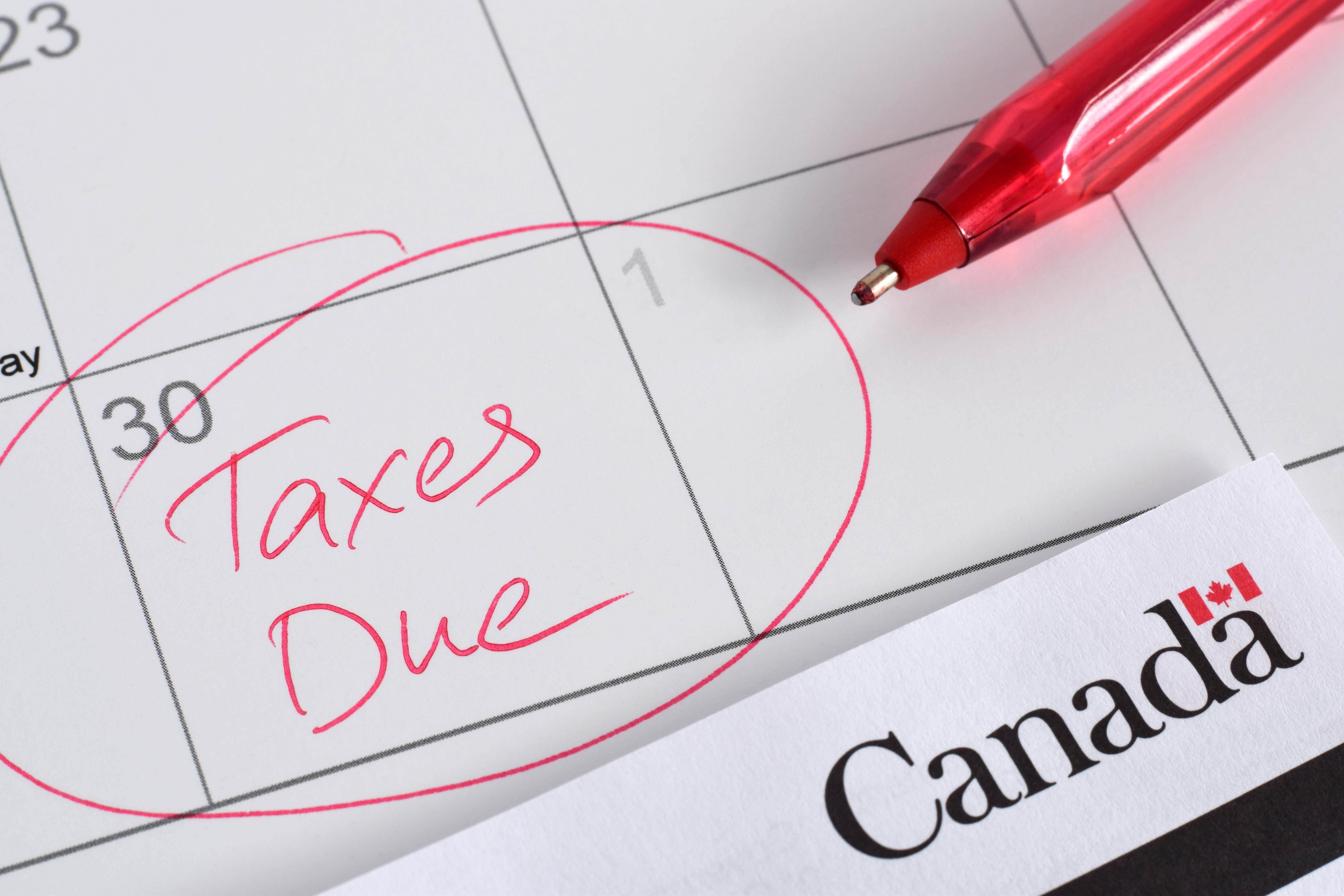
As the year comes to a close, small business owners must turn their attention to end-of-year tax filing. This process can seem daunting, but understanding your tax obligations can make it more manageable. Being aware of deadlines and required documentation is crucial to avoid penalties and ensure compliance.
Start by reviewing the tax forms relevant to your business structure. Whether you operate as a sole proprietorship, partnership, or corporation, each has specific forms and requirements. It's essential to know which ones apply to you.
Organizing Financial Records
Proper organization of your financial records is vital for a smooth tax filing process. Gather all necessary documents, including income statements, expense receipts, and bank statements. This will not only assist in filing taxes but also provide a clear picture of your business’s financial health.
Consider using accounting software to streamline this process. Many programs offer tools to help categorize expenses and generate reports, making it easier to compile the information needed for tax preparation.

Tracking Income and Expenses
Accurate tracking of income and expenses is essential for determining your taxable income. Be diligent in recording all revenue streams and related expenses. This practice will not only aid in tax filing but also help identify areas for potential savings and growth.
Maximizing Deductions and Credits
One of the benefits of thorough record-keeping is the potential to maximize deductions and credits. Familiarize yourself with common deductions available to small businesses, such as office supplies, travel expenses, and employee salaries. Understanding these can lead to significant savings.
Additionally, explore any tax credits that may apply to your industry or business activities. These credits can reduce your tax liability and improve your bottom line.

Consulting with a Tax Professional
While many small business owners handle their taxes independently, consulting with a tax professional can provide valuable insights. These experts can offer guidance on complex tax matters and ensure that all filings are accurate and timely.
Consider scheduling a consultation to discuss your business’s unique situation. A professional can help identify opportunities for savings and provide peace of mind during tax season.

Preparing for Next Year
Once your taxes are filed, it’s time to start preparing for the upcoming year. Implementing a robust financial management system will help you stay organized and ready for future tax seasons. Regularly reviewing your financial statements and adjusting business strategies can lead to improved performance and compliance.
Consider setting aside time each month to review expenses, update records, and plan for upcoming financial commitments. This proactive approach will make next year’s tax filing more straightforward and stress-free.